Bank reconciliation is one of the practical checks a finance team should complete before an audit. When the accounting records do not match the bank statements or contain old unexplained reconciling items, the auditor may need additional evidence and explanations. This can slow down the engagement.
What Is a Bank Reconciliation?
A bank reconciliation compares the bank balance shown by the accounting records with the balance shown by the bank statement and explains timing differences or other reconciling items.
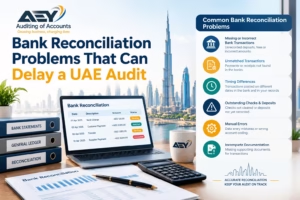
Common Bank Reconciliation Problems
1. Unidentified Deposits
A deposit may appear in the bank statement without a clear accounting reference. These items should be investigated and supported.
2. Unidentified Payments
Unknown transfers, charges or withdrawals can create questions about how the transaction was recorded.
3. Old Unreconciled Items
Reconciling items that remain open for a long time should not simply be carried forward. Management should understand why they remain outstanding.
4. Duplicate Transactions
A payment or receipt may be recorded twice in the accounting system, causing the book balance to differ from the bank balance.
5. Missing Bank Statements
Without the relevant bank statements, it may be difficult to support the reported cash balance or investigate transactions.
6. Incorrect Dates or Amounts
A transaction posted with an incorrect date or amount can create differences that continue into later periods.
Why Can These Problems Affect an Audit?
Cash and bank balances are important financial statement areas. Auditors may need to understand and support the reported balance, so unresolved differences can lead to additional procedures or questions.
What Should You Avoid Before an Audit?
Do not move transactions between accounts simply to make the financial statements look cleaner without understanding the accounting impact. Do not delete supporting records or make undocumented adjustments. Significant corrections should be properly reviewed and supported.
How Should a Business Fix Reconciliation Problems Before the Audit?
Start with the oldest items. Match each difference to supporting evidence, correct duplicate or incorrect entries where appropriate and document explanations for legitimate timing differences.
What Should Management Have Ready?
Keep bank statements, reconciliations, payment listings, transfer references, loan statements and explanations for unusual items in an organized file. See Audit Documents UAE for other common records.
How Often Should Bank Reconciliations Be Reviewed?
Regular review is better than waiting until year-end. Monthly reconciliation can help management identify problems while the transactions are still easy to trace.
Bank Reconciliations and Internal Controls
A good reconciliation process is also an internal control. Management can use review and approval steps to reduce the risk of missed errors or unauthorized transactions.
Final Takeaway
Unidentified transactions, old reconciling items, missing statements and duplicate entries can create avoidable audit questions. Completing bank reconciliations before the engagement gives the auditor clearer evidence and gives management a better view of the company’s cash position. For broader support, see Audit Services in Dubai.